
What We Can Learn from Recent Wins
by San Kwon
Safe, stable, and affordable housing should be accessible to all. Yet, for many of the 45.6 million renter households in the U.S., this remains out of reach. For instance, in most parts of the country, landlords can raise rent without restriction and evict tenants with minimal notice. Vulnerable tenants frequently face unsafe conditions and lack effective means to address them due to fear of retaliation.
To address this power imbalance between landlords and tenants, in 2024, NLIHC, the National Housing Law Project, and the Tenant Union Federation introduced the National Tenants Bill of Rights (TBOR), a policy agenda outlining the need for seven key tenant protections listed below.
- The Right to a Fair Application
- The Right to a Fair Lease
- The Right to Freedom from Discrimination and Harrassment
- The Right to A Habitable Home
- The Right to Reasonable Rent and Costs
- The Right to Organize
- The Right to Safeguards Against Evictions
To date, 892 individuals, organizations, and elected officials have endorsed TBOR. While federal progress is challenging due to current opposition to low-income renters and unhoused people, meaningful advances have occurred at the local levels.
This progress is especially apparent in the work of tenant unions such as Kansas City Tenants. For years, residents of Independence Towers, a federally backed apartment complex in Kansas City, endured horrific and unsafe living conditions––including pest infestations, sewage leaks, electrical fires, and broken windows. Tragically, a baby fell out of a broken window, eight stories to her death last summer.
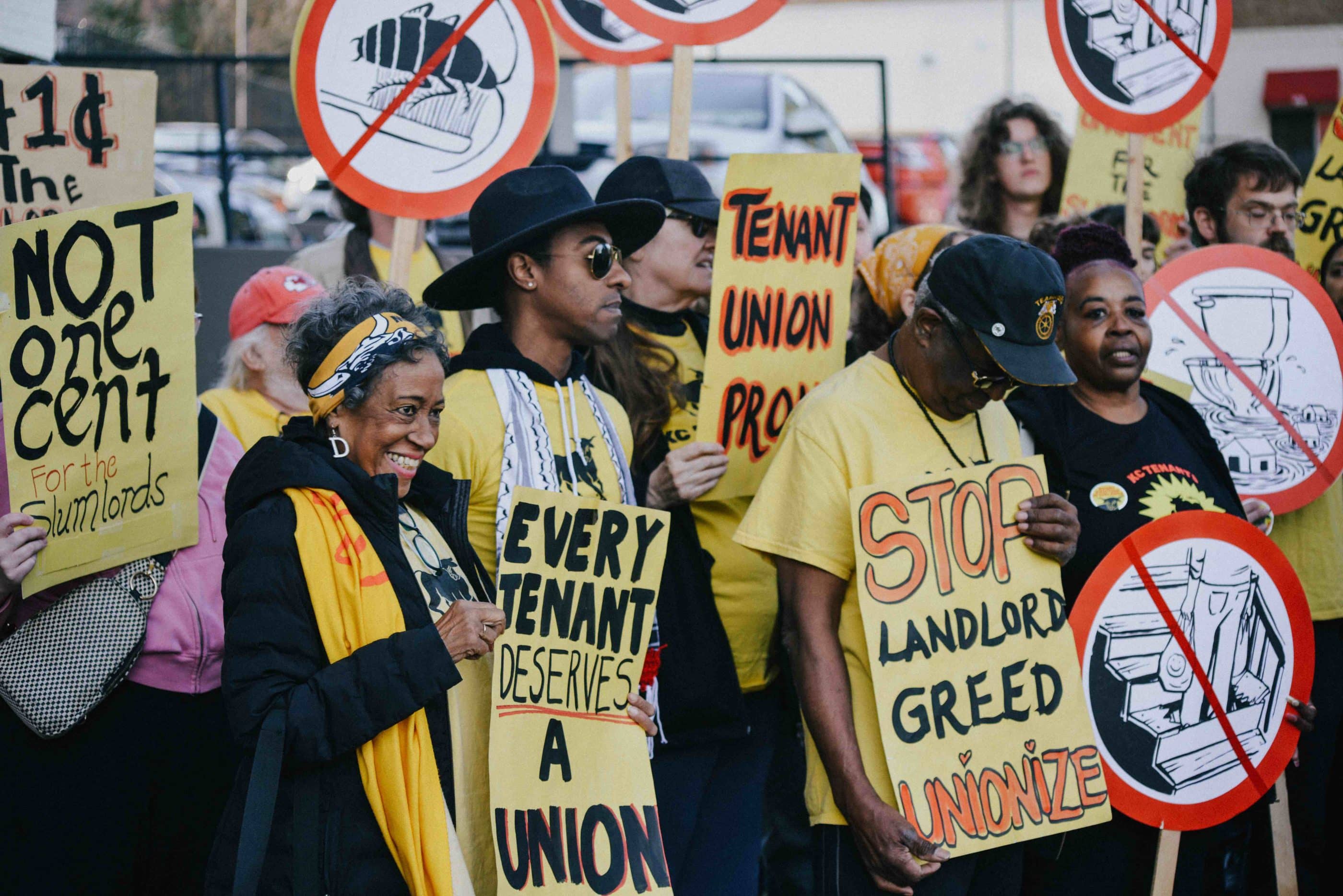
To demand change, tenants of Independence Towers organized a rent strike in October 2024. Finally, this June, after 248 days of striking, the tenants won and negotiated terms that closely aligns with TBOR principles: a freeze in rent hikes, an end to retaliation against organizing, guaranteed livable rents, necessary repairs and pest control, and a slash to late fees.
As tenant unions repeatedly show, organizing is a way to force change outside formal political channels—while also building the collective power needed to reshape them.
This dynamic also played out in Zohran Mamdani’s astounding win in the Democratic primary for the New York City (NYC) mayoral race. Centering his campaign on affordability, Mamdani pledged to enact rent freezes for rent-stabilized apartments. On the housing side, his success drew on powerful coalitions—like the New York State Tenants Bloc and Housing Justice for All—networks of tenant unions, service providers, and advocates that were central in mobilizing rent-stabilized tenants and advancing a tenant-centered politics. These networks were built through years of organizing prior to Mamdani’s campaign.
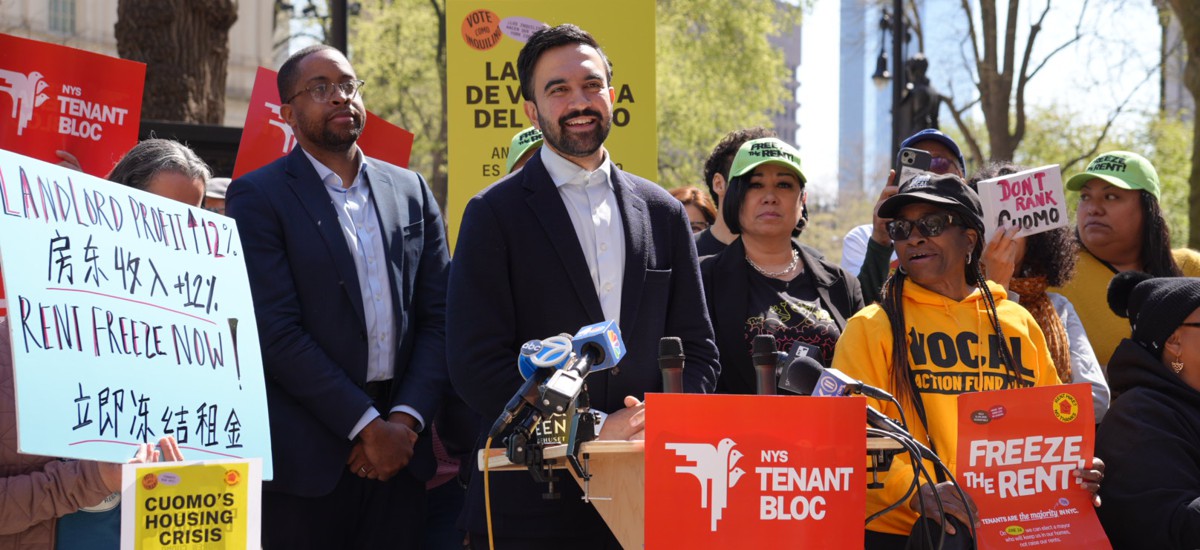
The momentum behind Mamdani’s campaign reflects a widespread appetite and public enthusiasm for policies that are included in TBOR. According to a recent survey conducted by the National Women’s Law Center and HIT Strategies, 77% of respondents supported efforts banning landlords from unreasonable rent increases, and 74% supported implementing some form of a Tenant Bill of Rights to ensure renters have the right to push back against exploitative landlords.
Even compared to just a few years back, housing is no longer an issue that exists on the margins, but one that exists at the front and center for the public. And from Kansas City to NYC, tenants are showing that when we organize, we can make real, substantive improvements and influence the political landscape.
During times of instability, it’s easy to withdraw into fear and resignation. However, maintaining a vision for housing justice––a world where safe, stable, and affordable housing is made accessible to all––is essential and can help to create a world where tenants feel empowered.
Grassroot organizing has never been more vital and building collective tenant power has never been more important. Meaningful changes and powerful actions can start with an individual or a tenant union.
Click here to learn more about the National Tenant Bill of Rights.
Click here to endorse the National Tenant Bill of Rights.
Click here to learn more about initiatives that can help to strengthen voter engagement among low-income renters.
San Kwon is the Fall 2025 NLIHC Housing First intern.


 On the Home Front
Leave a comment